
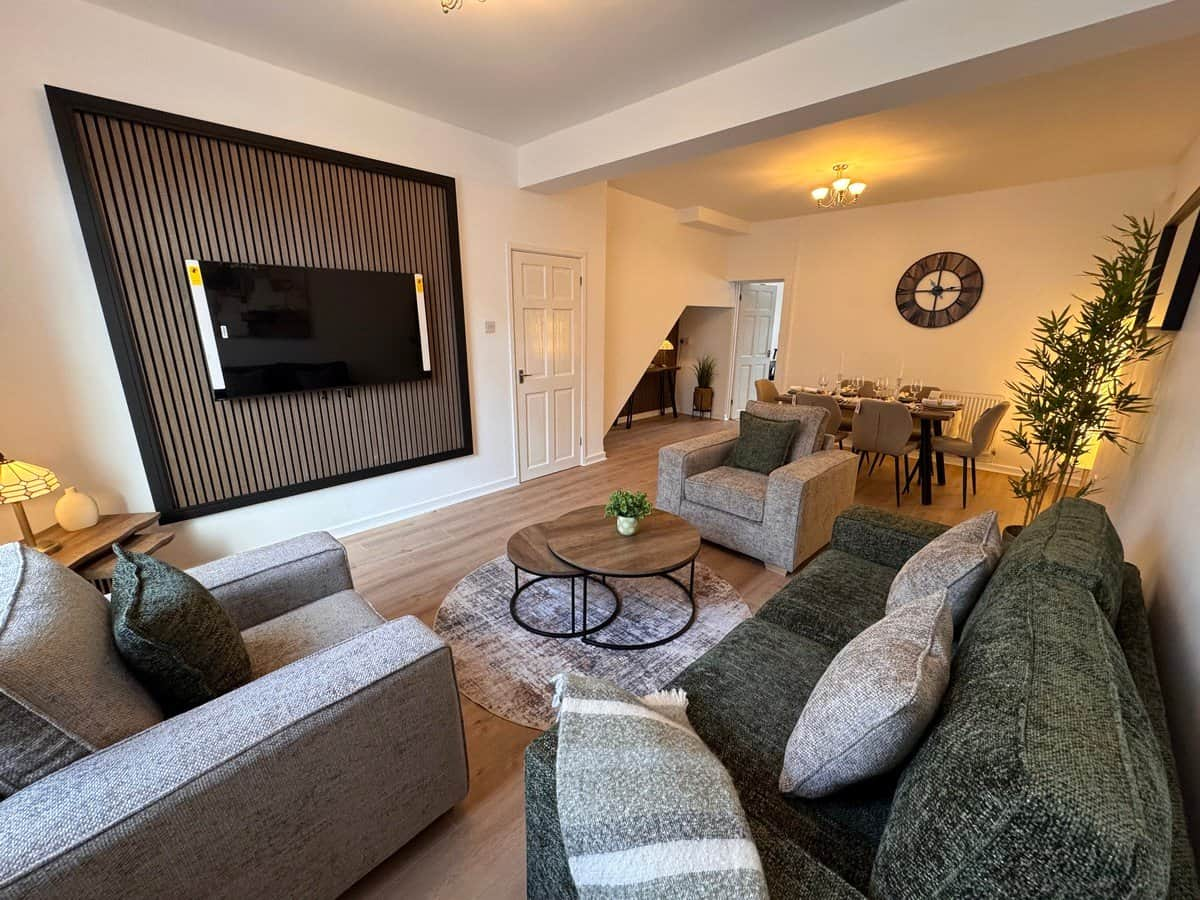
Set in the heart of the Welsh Valleys
Set in the heart of the Welsh Valleys, our property combines a modern touch with the beauty of the surrounding hills and mountains. The area is rich in history and full of places to explore, but the real attraction is the stunning scenery.We’re just 10 minutes from two country parks, perfect for a gentle stroll and taking in the views. For the more adventurous, there are plenty of mountain trails to explore on foot or by bike. With on-site storage for bikes and outdoor gear, electric bike charging and bike wash facilities, you’ll have everything you need to make the most of your outdoor adventures.
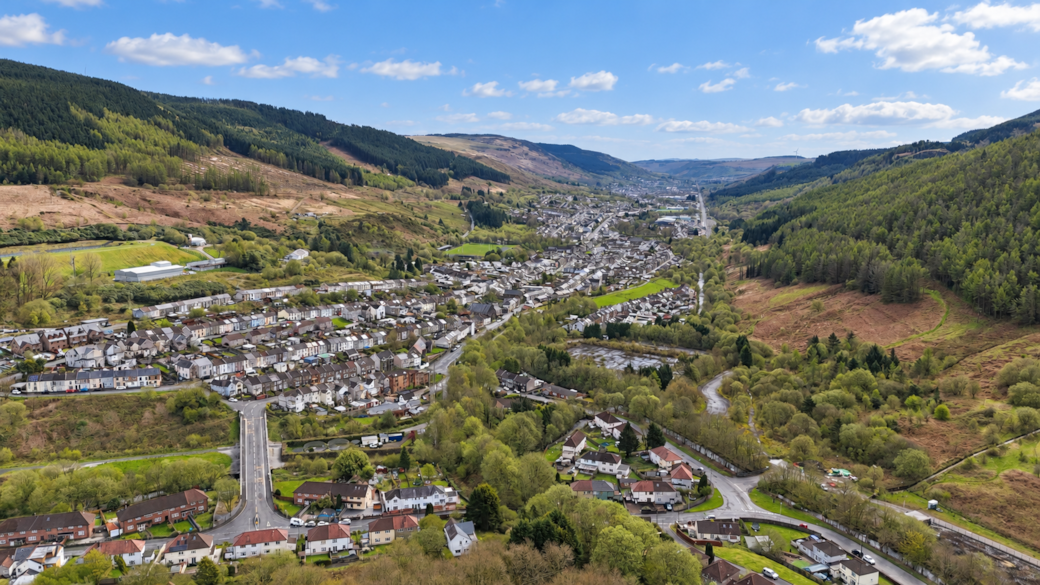
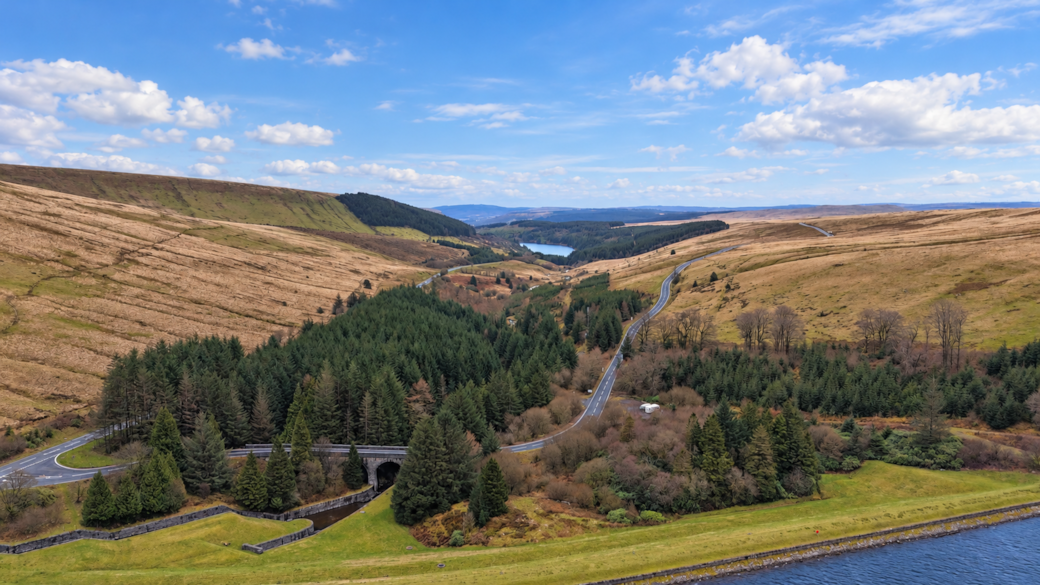
Lluest Wen Reservoir, above Maerdy in the Rhondda Fach
Built in 1898, this reservoir has a dramatic story. In December 1969, a horse named Sally and her rider, Lynn Jones, stumbled into a hole on the dam, revealing a problem that sparked fears of a collapse. The emergency continued into January 1970 as engineers, emergency services, the Army and RAF worked to lower the water and protect the valley below. The all-clear finally came on 25 January 1970.
Today, with wind turbines standing above the hills, this view brings together Welsh scenery, engineering and a remarkable piece of local history.
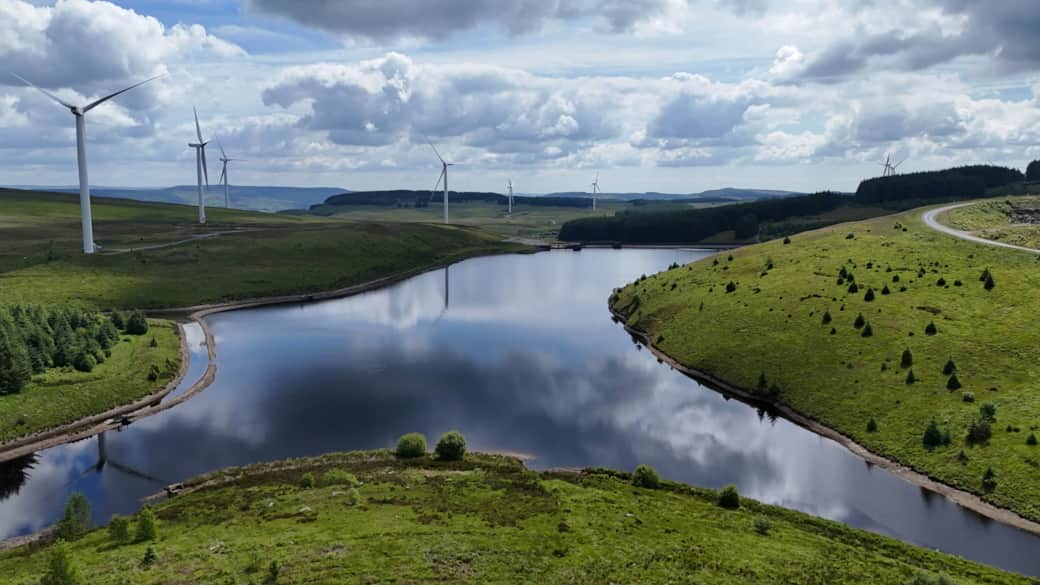
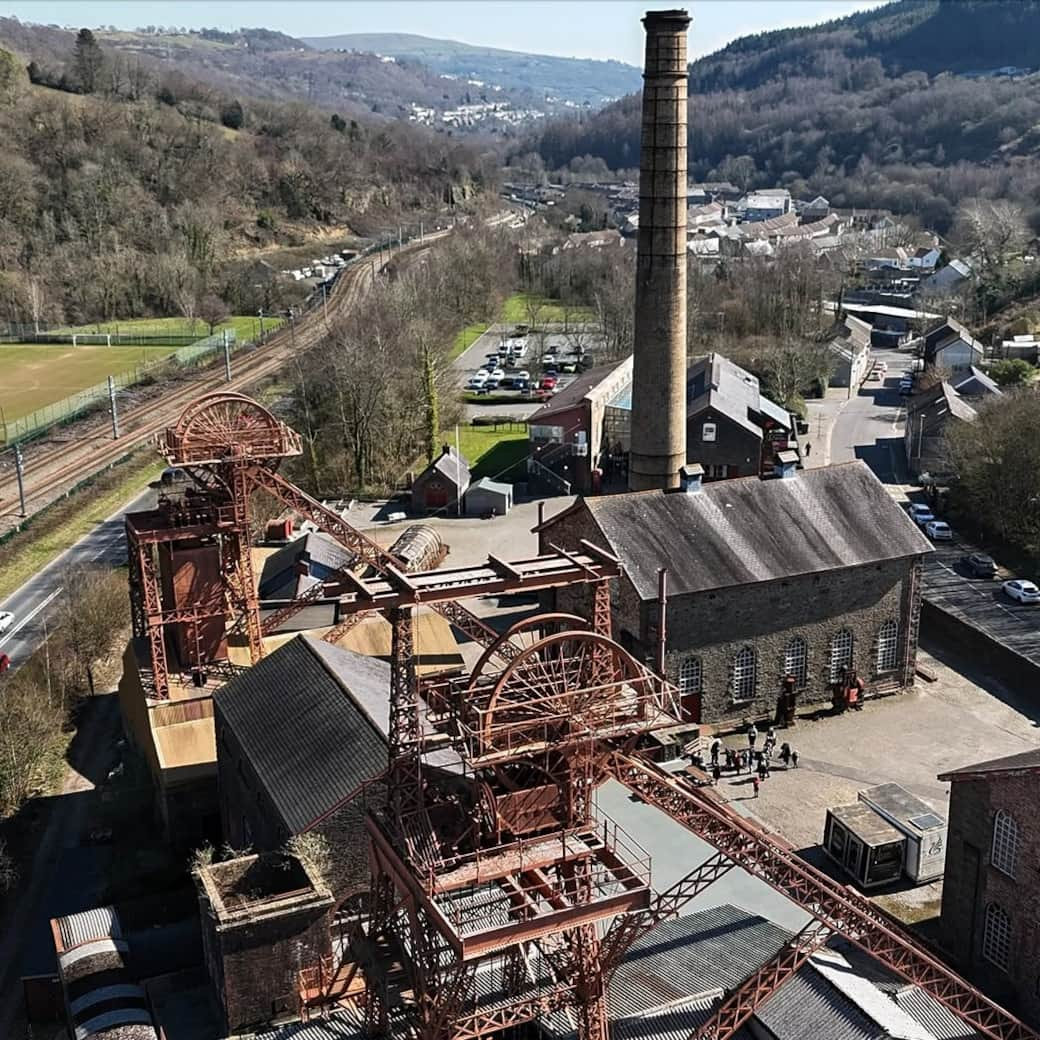
The Colliery’s Wheel of Fortune
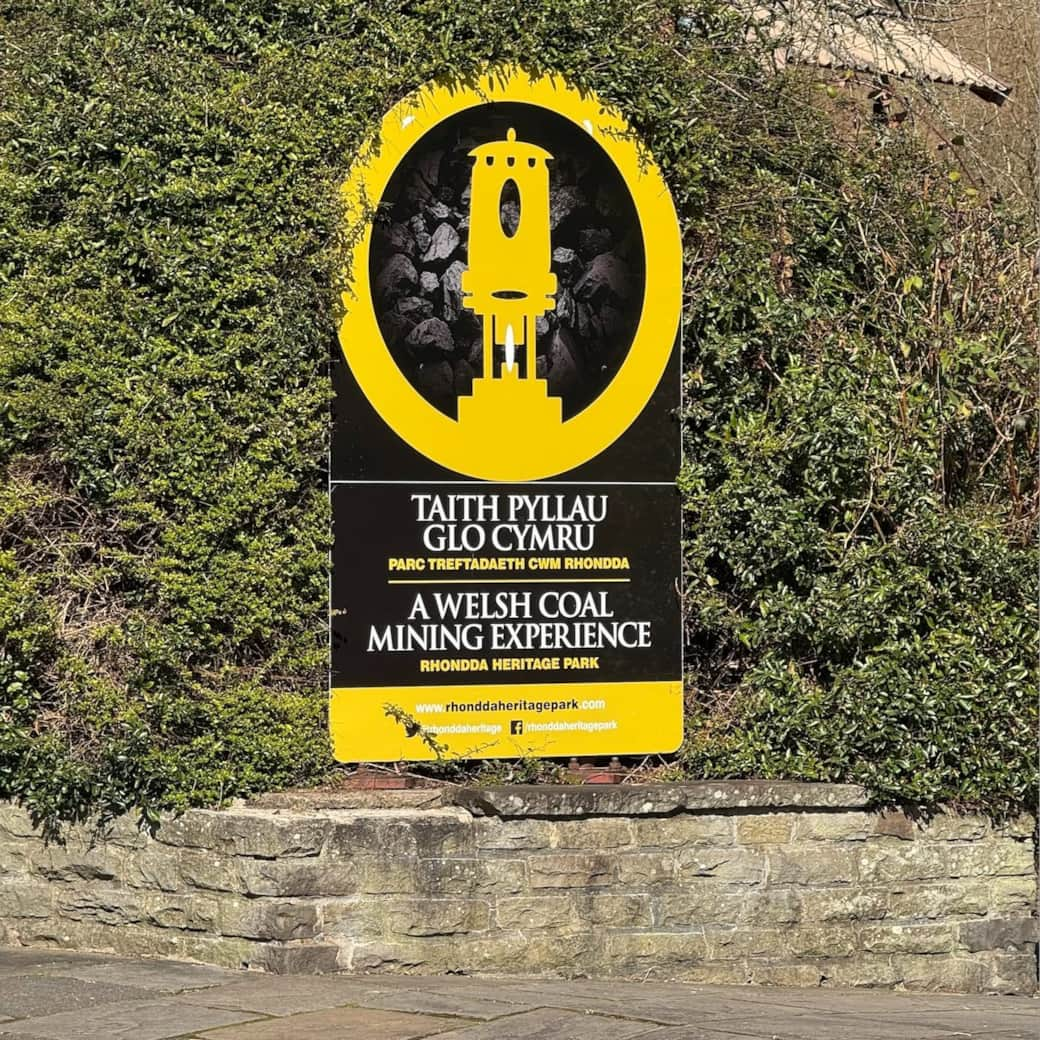
Come and experience what our grandfathers went through to bring “black gold” to the surface.
Some say the great colliery wheels were like the Wheel of Fortune, spinning endlessly, deciding fates without mercy. They turned day and night, lowering men into the deep belly of the earth and, if luck allowed, bringing them back up again.
My grandfather often spoke of those days—of the “black gold” they called coal, the lifeblood of our town.
“We dug deep,” he’d say, his voice like the wind through an old mine shaft. “Pulled it out, filled the wagons. Kept the world warm. But at what cost?”
I remember sitting by his chair, watching the firelight flicker over his face, the lines of age and hardship carved deep. His hands, tough as the coal itself, bore the marks of a lifetime underground.
“Every shift, we gambled with our breath, our bones. Some lost more than others.”
He told me of cave-ins that swallowed men whole, of gas explosions, and of mates who went down laughing and never laughed again.
“Aye, the mine gave us wages, but it took its share too. Left us coughing up dust, carrying scars you can’t scrub off.”
As a child, I didn’t understand the weight of his words. But as I grew older, I saw it: the way his body ached with every movement, how he wheezed with every breath. The colliery wheels had turned for him, lifted him up, let him live—but only just.
Now the pits stand silent, their shafts sealed, the wheels rusting in the rain. But in my grandfather’s voice, in his stories, they still turn, creaking under the weight of all they took and all they left behind.
For nearly 8,000 years, people have lived and worked in the Brecon Beacons. With communities evolving as quickly as they do, the marks on the landscape are always changing. There are monuments, churches, castles and canals to be enjoyed, but most of all there is the Brecon Beacons National Park.
As a national park, visitors are treated to stunning natural attractions including pristine, fresh lakes and lush green landscapes. The view is framed by dramatic mountains, and every sense is heightened and indulged. There is so much more to the national park than nature, though, and you would be surprised at just how much goes on in this treasure chest of beauty.
Brecon Beacons National Park is one of only three national parks in Wales, but it’s not without its size - 500 square miles, to be exact. It stretches right from Llandeilo in the west and the Black Mountains, situated in the east.
Our Amazing Welsh Coastline Is Not to Be Missed: Shipwrecks, Legends and a Light in the Darkness
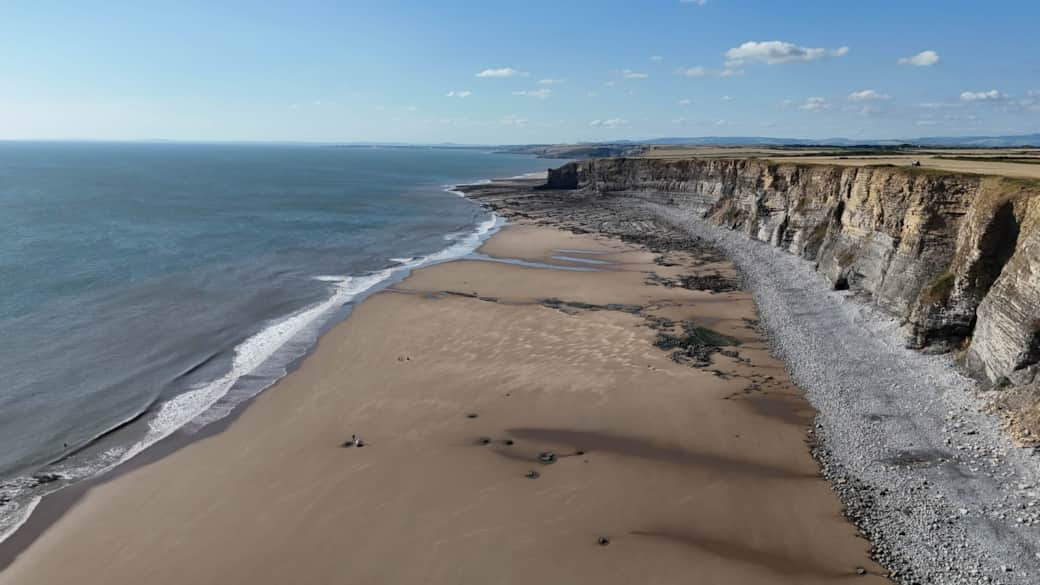
Nash Point: Shipwrecks, Legends and a Light in the Darkness
Stand on the cliffs at Nash Point and it’s easy to be swept away by the view. Waves crash below, seabirds wheel overhead and two lighthouse towers watch over the Bristol Channel. But this stretch of the Glamorgan Heritage Coast holds stories every bit as dramatic as its scenery.
For generations, the treacherous Nash Sands threatened passing ships. In March 1831, the passenger steamer Frolic was wrecked here, with the loss of around 78 lives. The disaster added urgency to the effort to give sailors a dependable warning of the danger offshore.
What followed was a remarkable feat of construction. Just eleven months after their foundations were laid, Nash Point’s two lighthouses shone for the first time on 1 September 1832. The eastern tower stood 37 metres tall, its smaller western companion 25 metres. Together, their lights helped mariners navigate past the deadly sands.
The coast has its darker legends, too. Local tales tell of wreckers fastening lanterns to sheep grazing along the cliffs, hoping the moving lights would fool sailors into approaching dangerous shores. These are stories passed down through local folklore, rather than established accounts—but they add an eerie edge to a windswept evening at Nash Point.
As technology advanced, the station changed. A powerful fog signal arrived in 1906, and the lower light became redundant during the 1920s. Yet behind the machinery were the keepers and their families, whose cottages formed a small community on the clifftop.
That chapter ended on 5 August 1998, when the last keepers departed. Nash Point was the last lighthouse in Wales to be automated. Its working light continues a duty that began nearly two centuries ago: helping sailors find a safer passage through these waters.
Calling All Adrenaline Seekers: Ride One of Europe’s Best Mountain Bike Resorts
The Mountain Bike Resort of the Welsh Valleys
The first thing many visitors notice is the piste map.
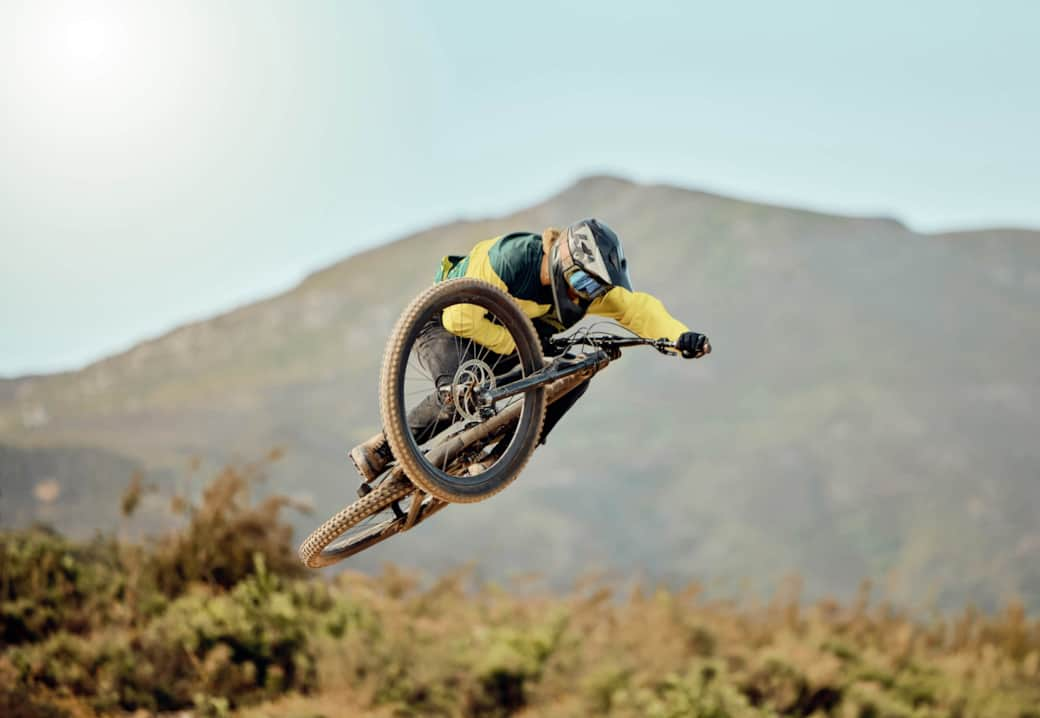
Spread across the slopes of Mynydd Gethin, more than 50 graded trails branch out from the uplift much like a ski resort. Riders gather over coffee, study the map, choose their route and head for the next descent.
The views stretch across the valleys, the woodland changes with the seasons and it soon becomes clear that every trail has been carefully crafted. Every turn, berm and descent feels like it belongs exactly where it is.
Riders gather around the uplift, compare trail choices over coffee and swap stories at the end of the day. First-timers, weekend riders and some of the sport's biggest names all share the same mountain.
A half day rarely feels long enough.
Why People Love It
Endless Choice
More than 50 graded trails give riders the freedom to build their own day. Some spend hours perfecting a favourite run. Others set themselves the challenge of exploring as much of the mountain as possible.
More Than Just Riding
The uplift may be one of the biggest attractions, but it's only part of the experience. The café, outdoor seating, social spaces and regular events create an atmosphere more often associated with a mountain resort than a traditional trail centre.
A Place to Progress
Beginner-friendly trails, tuition and bike hire make it easy to get started, while technical descents, jump lines and challenging routes keep experienced riders coming back for more.
The Mountain
Between runs, it's worth taking a moment to look up. Valley views stretch into the distance, woodland colours shift with the seasons and public footpaths cross parts of the mountain, making the area popular with walkers as well as riders.
Zip World Tower
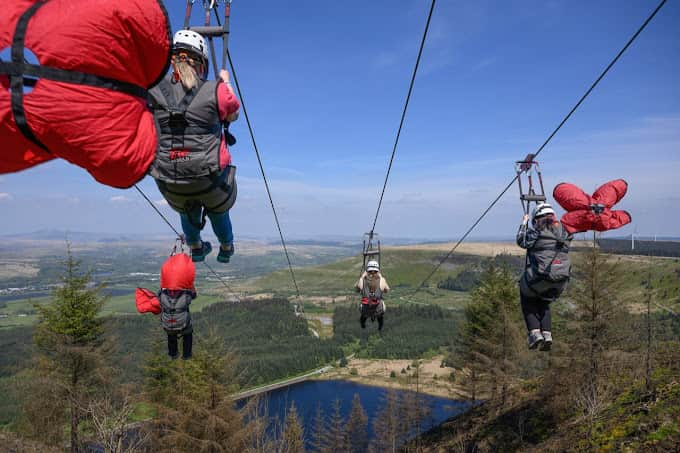
Get ready for an adrenaline-filled day at Zip World Tower in South Wales. Set at the historic Tower Colliery near Aberdare, surrounded by the Rhigos mountains, this adventure destination combines thrilling zip-line experiences with spectacular scenery. Take on Phoenix, enjoy the twists and turns of Tower Coaster, or build your confidence on Tower Flyer. It’s an exciting addition to any South Wales adventure.